By Mohammed Rashad Hussain, Managing PartnerPublished 6 min read
Where are the embassies in Abu Dhabi?
Embassies in the UAE are in Abu Dhabi, the federal capital. They are not all in one place. One cluster is the Embassies District, which OpenStreetMap places in the Al Rawdah area. Others are in the city-centre streets of the island, such as Al Markaziyah.
Two verified examples show the spread. The UAE Ministry of Foreign Affairs (MOFA) gives the Embassy of India’s address as Plot No. 10, Sector W-59/02, Diplomatic Area, Embassies District. The British Embassy is on Al Hisn Street in Al Markaziyah West, according to GOV.UK, which is a different part of town.
The two areas are about 11 km and 11 minutes apart by OSRM routing without traffic. So a delegation visiting two embassies may cross town between appointments.
We name only areas and these examples on purpose. Missions move, and a list copied from a blog goes stale. For a specific country, use MOFA’s page, “Foreign Missions Accredited to the UAE”, and then the mission’s own site.
Where are the consulates in Dubai?
Dubai hosts consulates, which serve citizens living in or visiting the UAE, rather than embassies. They are spread across the city and not gathered in one block.
One verified example is on Al Seef Road in Bur Dubai. GOV.UK lists the British Embassy Dubai at Al Seef Road, Bur Dubai, near Dubai Creekside. The UK’s name for the Dubai office is an embassy, which shows that titles differ by country. Read each mission’s own page for its status, address and the services it offers.

The MOFA directory is the first stop for an address, but its Dubai entries are not always complete. The listings for the United Kingdom and India consulates in Dubai show an empty address field at the time of checking. Always read the mission’s own page and confirm with the mission by phone or email.
How long does it take to drive to them from DXB and Zayed International?
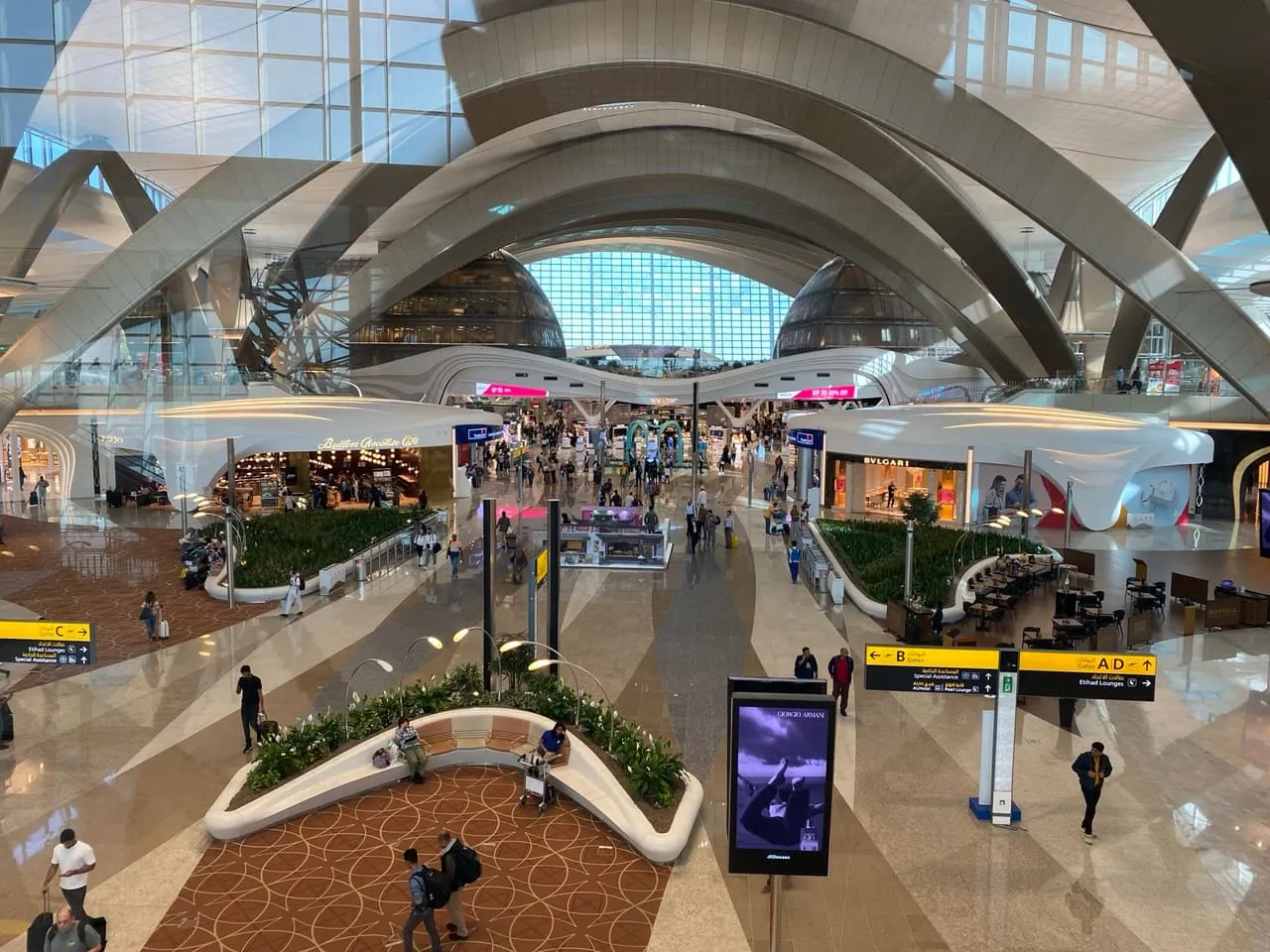
From Dubai International (DXB), Abu Dhabi is about two hours away by road. From Zayed International (AUH), the embassy areas are 20 to 30 minutes away. The figures below come from OSRM, without traffic, to points in each area.
| From | To | Distance | Time without traffic |
|---|---|---|---|
| DXB | Embassies District, Abu Dhabi | about 151 km | about 113 minutes |
| DXB | Al Hisn Street area, Abu Dhabi | about 160 km | about 117 minutes |
| DXB Terminal 1 | Al Seef Road area, Bur Dubai | about 6 km | about 7 minutes |
| Zayed International (AUH) | Embassies District | about 24 km | about 23 minutes |
| Zayed International (AUH) | Al Hisn Street area | about 34 km | about 29 minutes |
| Zayed International (AUH) | Al Seef Road area, Bur Dubai | about 120 km | about 78 minutes |
| Embassies District | Al Hisn Street area | about 11 km | about 11 minutes |
| Embassies District | Al Seef Road area, Bur Dubai | about 139 km | about 88 minutes |
| Al Hisn Street area | Al Seef Road area, Bur Dubai | about 149 km | about 95 minutes |
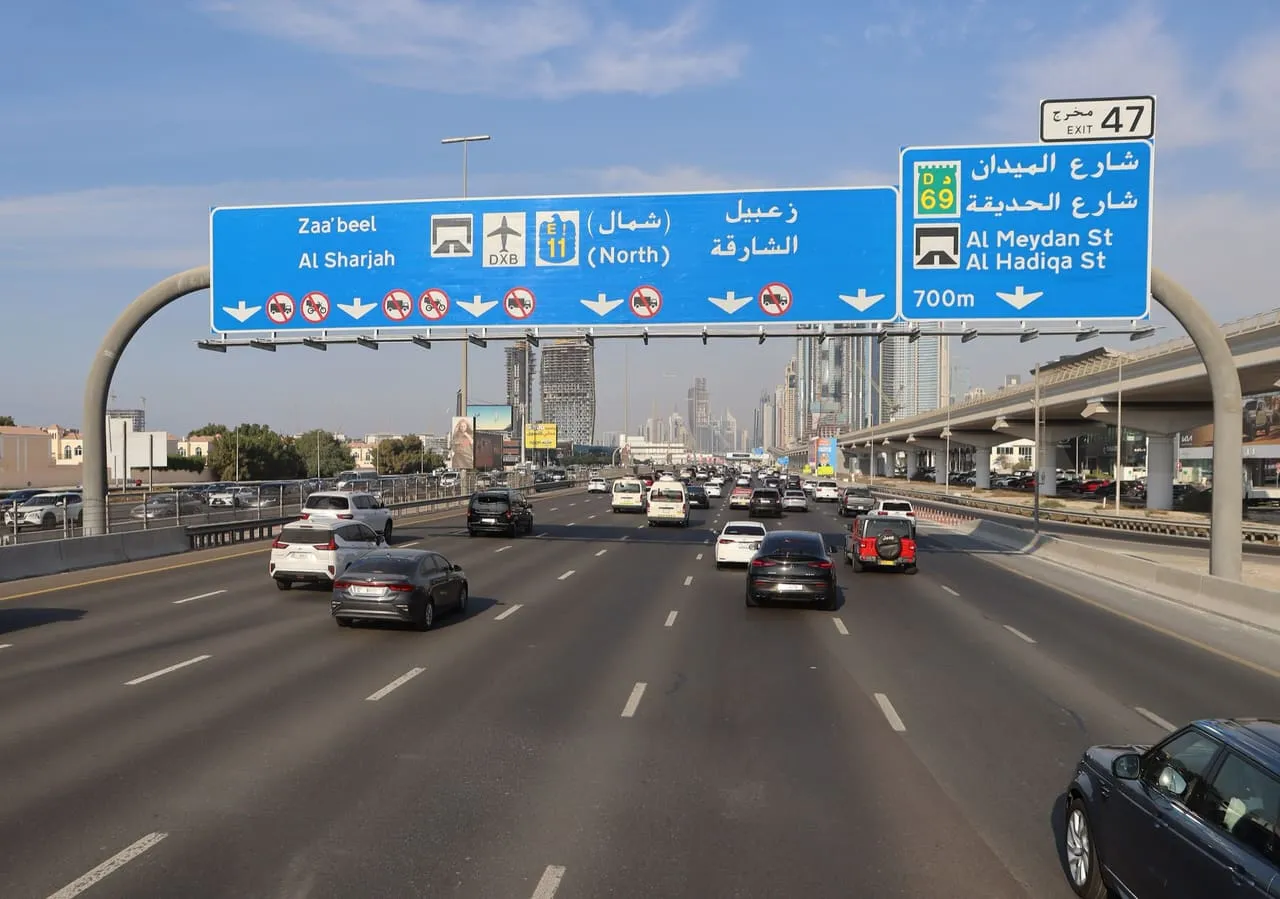
Treat these as the quiet-road minimum. OSRM does not model congestion, so add a margin at the start and end of the working day, and more on a Friday afternoon. Our guides to DXB to Abu Dhabi airport and Abu Dhabi airport to Dubai cover the highway in more detail.
The route also passes tolls. Dubai’s Salik gates and Abu Dhabi’s Darb gates charge per crossing. See how Salik works and how Darb tolls work.
How do you plan a day that covers both cities?
Fix the appointment times first, then build the day around them. Two missions in different emirates leave little slack, because the road between them takes roughly 90 minutes each way.
A workable order for an Abu Dhabi embassy and a Dubai consulate:
- Land at DXB or AUH with at least 90 minutes before the first appointment.
- Do the Abu Dhabi embassy in the morning, so a delay does not push the Dubai appointment.
- Allow 30 minutes for the security check and any wait at the front desk.
- Drive to Dubai, with a buffer of 30 minutes beyond the 88 to 95 minutes shown in the table.
- Keep the Dubai consulate appointment for the afternoon, and leave time before the return flight.
The Embassies District and the city-centre streets are 11 minutes apart, so two Abu Dhabi visits fit one morning. Put the Dubai visit on a separate day if the programme allows.
What should visitors know before an embassy visit?
Practical rules vary by mission. These points apply widely, and each mission’s website has the final word.
- Appointments. GOV.UK states that public access to embassies, high commissions and consulates is by appointment only. Book first, and carry the confirmation.
- Documents. Bring passports and the documents named in the appointment email. Check whether originals or copies are required.
- Security checks. Expect screening at the entrance. Ask the mission whether phones, laptops, large bags or cameras are allowed, because rules differ from one mission to the next.
- Arrive early. Aim to be at the gate 15 to 20 minutes before the time shown, or earlier if the mission asks.
- Access needs. The British Embassy Dubai page states that all public areas are on the ground floor, with a permanent ramp to the consular area, and that guide dogs are welcome. Ask other missions about access in advance.
- Names on the list. Ask whether the mission needs every visitor’s name in advance, and send the list early if it does.
Where can a car park or wait?
Ask the mission before the day, and do not assume a driver can stay at the kerb. Arrangements differ.
The British Embassy in Abu Dhabi says parking with full transfer space can be arranged inside the Embassy if you request it in advance. The British Embassy Dubai says Embassy parking can be arranged on request, and that paid parking is available opposite the Embassy, next to the Creek.
For other missions, the usual options are a drop-off at the gate and a pick-up call, a short wait in a nearby public car park, or a pre-arranged bay. Share the driver’s plate number if the mission wants one. Assure serves Dubai and Abu Dhabi with its own cars and with partner cars, confirmed when you book. For a group, our delegation transport guide explains convoy order and the coordinator’s role.
How do you move a group between missions?
For an official visit, decide three things first: how many people travel together, who talks to the mission and who holds the schedule. A small group of two to four fits one car. Larger groups need more cars, with a coordinator in contact with the protocol team.
Keep the programme and passenger names within the group that needs them. Our duty of care checklist covers the safety questions behind a multi-stop day. For government and diplomatic movements by chauffeur, see our government and diplomatic transport page, or the wider corporate chauffeur hub.
What is left out of this guide, and why?
We do not list every mission. Official directories change, and secondary lists disagree on counts and addresses. We also leave out visa and consular procedures, which belong to each mission, and anything we could not check on an official site. If you need one country, start at MOFA, then read the mission’s own page, and then confirm the booking by phone.
Photos in this guide
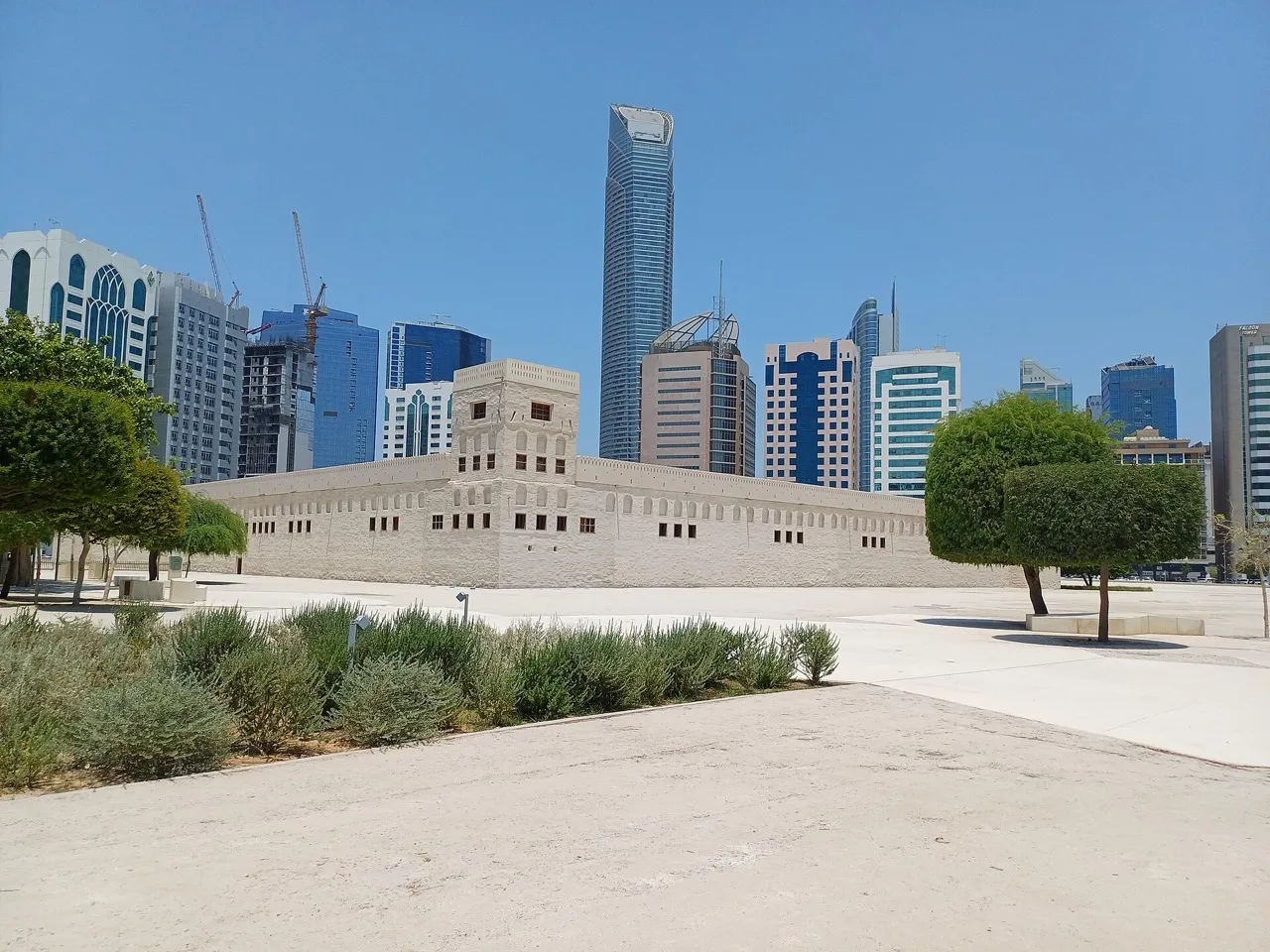
The whitewashed Qasr al-Hosn fort in Abu Dhabi with office towers rising behind itRadosław Botev / Wikimedia Commons, CC BY 3.0 pl

Buildings on the Deira side of Dubai Creek lit at night, reflected in the waterLeakingh / Wikimedia Commons, CC BY-SA 4.0

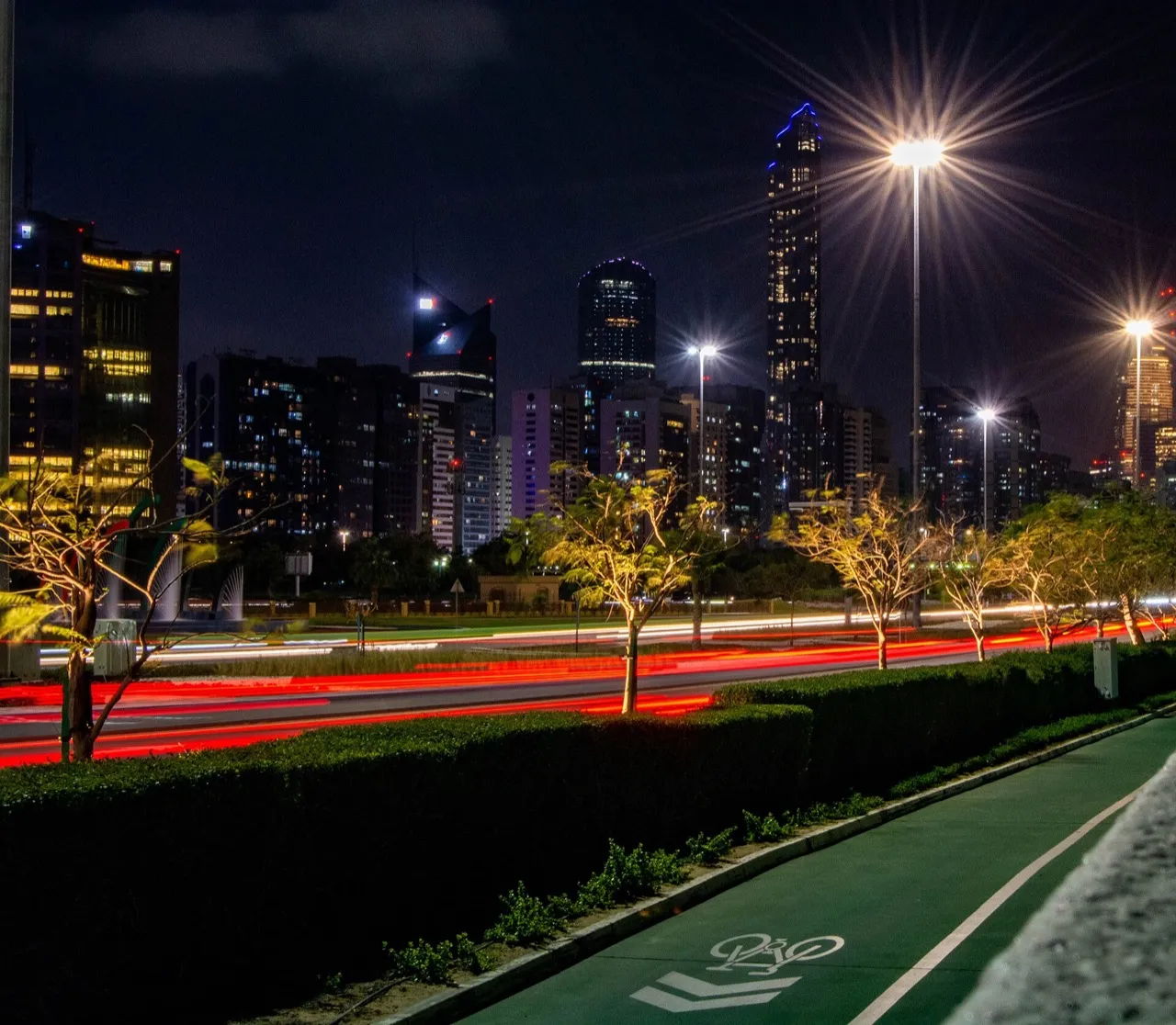
Abu Dhabi towers at night with light trails on the road and a green cycle lane in the foregroundSabithnav / Wikimedia Commons, CC BY-SA 4.0