By Mohammed Rashad Hussain, Managing PartnerPublished 3 min read
Can you bring prescription medicine into Dubai?
Usually yes, for personal use. Keep the medicine in its original labelled packaging and carry the prescription. Most ordinary and over-the-counter products raise no issue.
The exception is a class of drugs the UAE treats strictly. [MOHAP’s permit infographic](https://mohap.gov.ae/assets/download/aad6c0b5/Infographic - Issue of Permit to Import Medicines for Personal Use - PDF 380KB.pdf.aspx) describes a permit that lets travellers obtain prior approval to bring narcotic and controlled medicines. MOHAP calls it optional for travellers, but it is the route to doing so lawfully.
Which medicines are controlled in the UAE?
MOHAP publishes a list of controlled medicines and states for each whether a permit is needed or the drug is prohibited. Gulf News, reporting on the permit, says the service covers narcotic, controlled and semi-controlled medicines and is not mandatory for other drugs.
Common categories that people check:
- Codeine and other opioid painkillers.
- Some sleeping tablets and anti-anxiety medicines.
- Certain ADHD medicines.
- Some strong nerve-pain and epilepsy drugs.
A medicine you buy freely at home can sit on the list. Check the active ingredient, not the brand name. Do this before packing, not at check-in.
How do you apply for MOHAP approval before you fly?
The application is online. Gulf News reports that you log in to the MOHAP website or app with UAE PASS, enter details, attach documents and receive the permit through the same system. As that article is a secondary source dated March 2023, treat the steps as a guide and follow the live MOHAP service page.
The documents it lists:
- A prescription in your name issued within the last three months.
- A medical report from the treating facility, authenticated by the health authority where you were treated, issued within the last year.
- A copy of your passport.
The same report says MOHAP replies within three working days, and that the permit is valid for two months and can be used once. We could not confirm these figures on a current official page. Apply well before you travel, and ask MOHAP if the rules have changed.
How much can you carry?
Gulf News, quoting the MOHAP call centre, gave one month’s supply for controlled medicines and three months for non-controlled ones. Other websites give different numbers. We use none of them as a rule: ask MOHAP for your drug, and carry only what the doctor’s letter justifies.
Which documents should be in your hand luggage?
- The medicine in its original box with the pharmacy label.
- The prescription, showing your name, the drug, the dose, the form and the prescriber.
- A letter from your doctor on letterhead, in English.
- MOHAP approval, printed, if the drug needed it.
- A copy of your passport.

Keep it all in hand luggage. If your checked bag is delayed, you still have your medicine.
What happens at customs if you carry a controlled medicine?
Officers can ask to open your bag and check the medicine against your papers. Without approval, a controlled medicine can be confiscated and some drugs lead to further action.
If you are unsure, declare it at the customs desk instead of using the green channel. Our airport arrival process guide walks through passport control, baggage and customs, and where your driver meets you at DXB explains what happens after.
Planning the rest of the trip
Medicine is one part of the UAE’s rules for visitors. Read Dubai’s laws for tourists, the safety basics in is Dubai safe, and the family notes in Dubai with kids. Entry rules sit on our visa pages. When you are ready to book, we arrange airport transfers and track your flight in case customs takes longer.
Photos in this guide

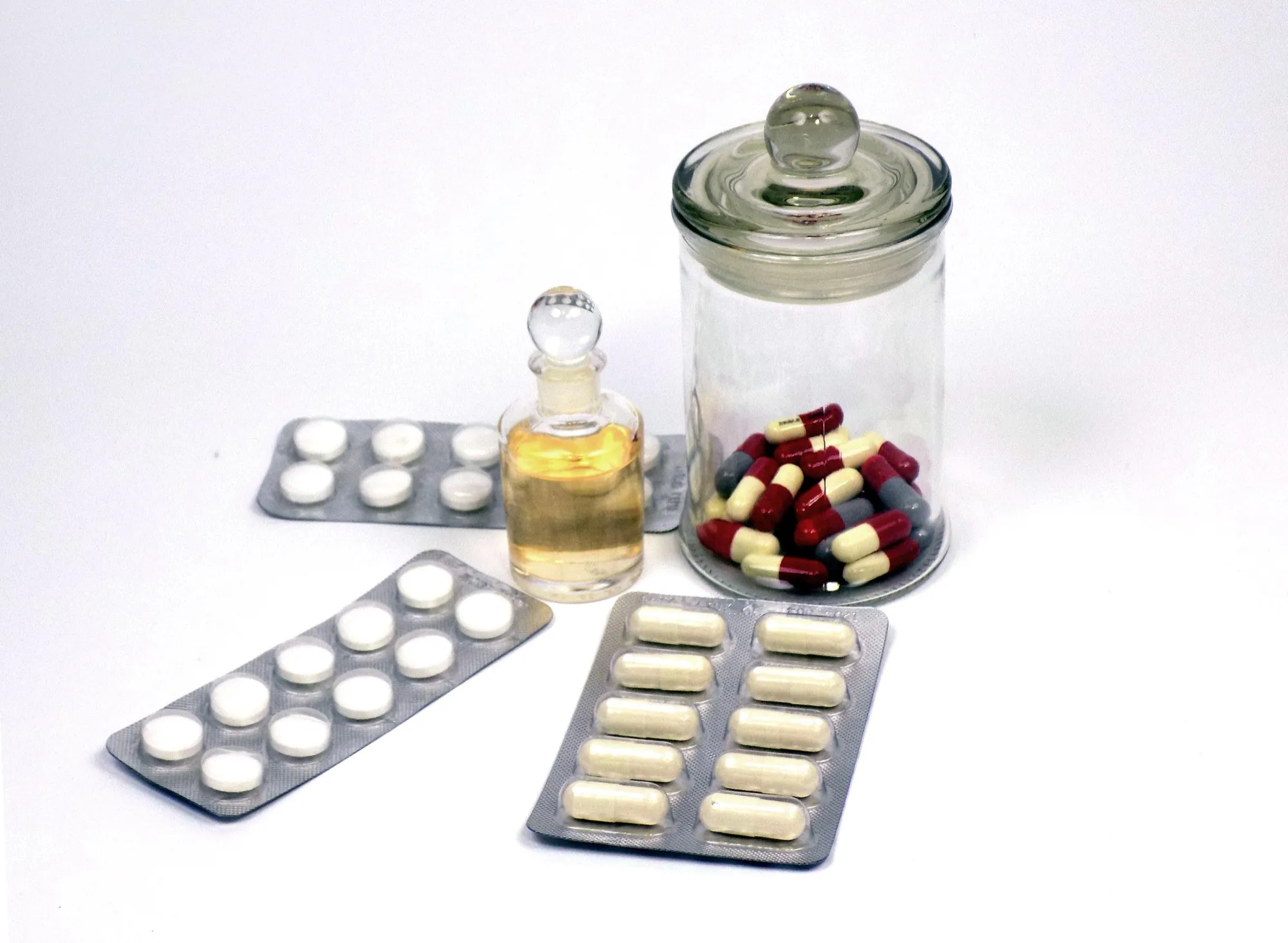
Blister packs of tablets and a glass jar of capsules on a white backgroundBuhaM / Wikimedia Commons, CC BY-SA 4.0
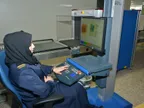
A customs officer watching an X-ray baggage scanner screen at Dubai airportDubaicustomswiki / Wikimedia Commons, CC BY-SA 4.0

The Terminal 2 entrance at Dubai International Airport with taxis at the kerbRavi Dwivedi / Wikimedia Commons, CC BY-SA 4.0