By Mohammed Rashad Hussain, Managing PartnerPublished 3 min read
Where are Dubai’s churches, temples and gurudwara?
Most places of worship used for weddings sit in two clusters. One is Oud Metha, close to Bur Dubai and the Creek. The other is the Jebel Ali worship area on the west side of the city.
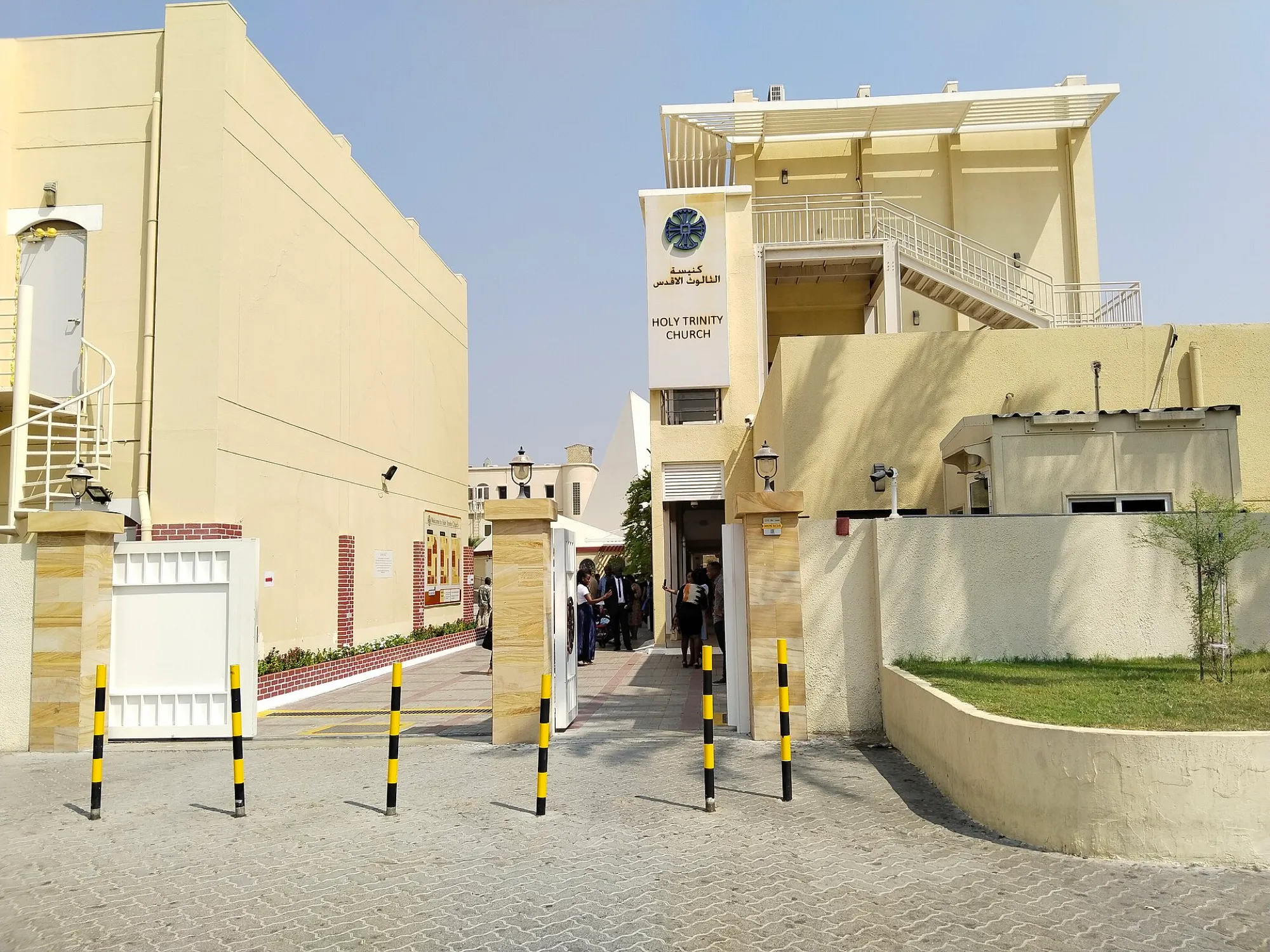
The Jebel Ali area is where Guru Nanak Darbar Gurudwara and a Hindu temple are found, along with churches. In Oud Metha you find St Mary’s Catholic Church and Holy Trinity Church. The two areas are far apart, so which one you use shapes the whole day.
Every venue has its own booking rule, date limit and timings. Confirm them with the venue before you fix a driver. This guide covers transport only.
Oud Metha: reaching the churches near Bur Dubai
Oud Metha is inside the older part of Dubai, close to Bur Dubai, Healthcare City and the Creek. Roads around the churches are narrow, and weekend services fill the car parks.
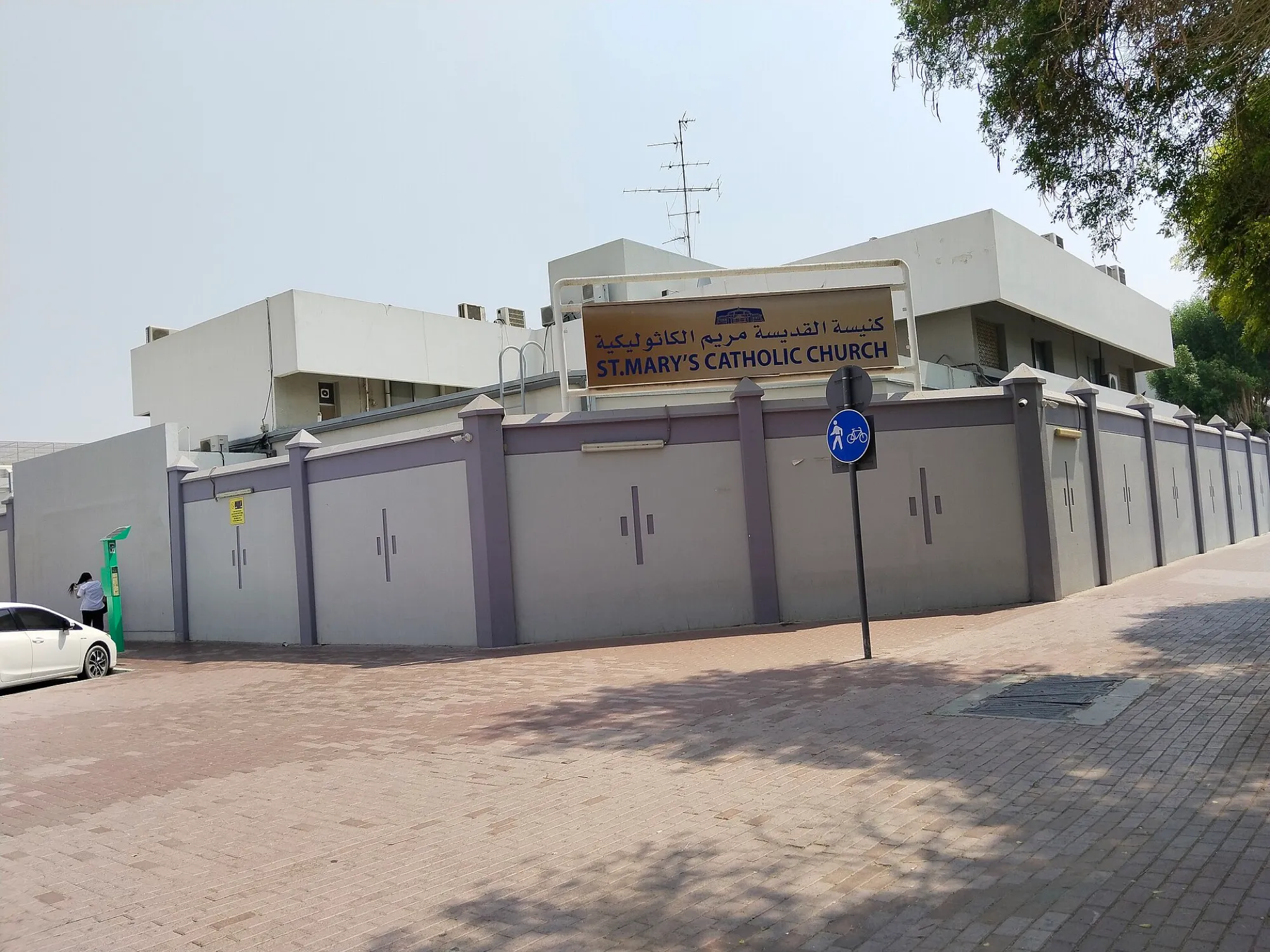
For a church wedding:
- Ask the church office for the exact gate and the time guests may enter.
- Send your driver the gate, the ceremony time and the hotel for the reception.
- Plan for the bride’s car to arrive a few minutes before the guests, so she is not waiting in the street.
A wedding car or a limousine for the couple, and a minibus for the family from one hotel, keeps the arrival tidy.
Jebel Ali: the gurudwara, the Hindu temple and the churches
The Jebel Ali worship area is a single district with several places of worship near one another. That helps with a multi-faith guest list, because a driver can drop guests at different gates in one visit.
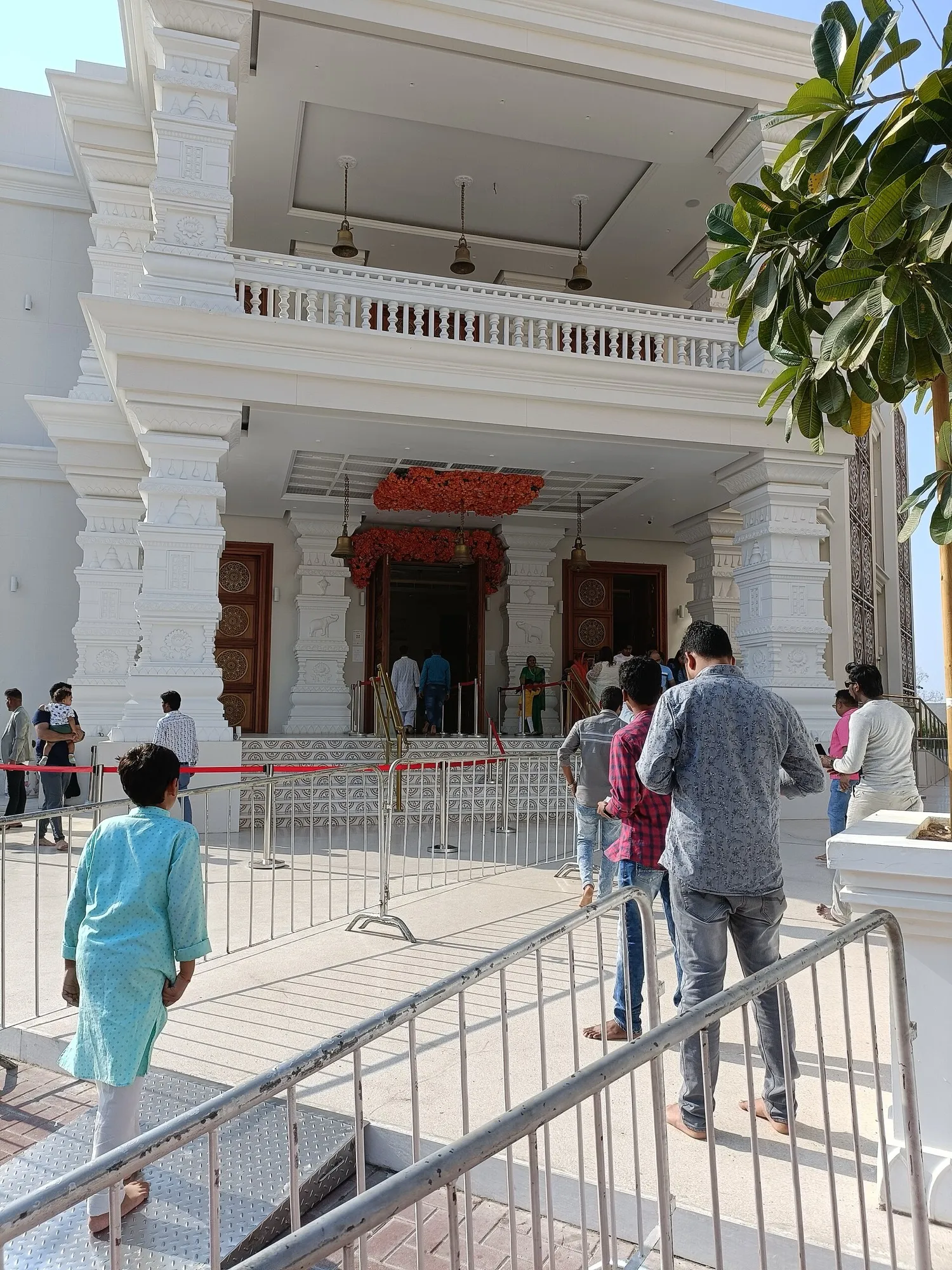
It is a long drive from Bur Dubai, Downtown or Dubai Marina. Add the time to your timetable and leave early. For a Sikh wedding, see the Indian wedding baraat guide, and for family groups from Pakistan the Pakistani wedding transport guide.
Dress codes, shoes and head coverings: what guests need in the car
Dress rules differ by faith, and the venue’s notice is the final word. These habits help on any day:
- Gurudwara: everyone covers their head and removes shoes.
- Hindu temple: shoes come off at the entrance.
- Church: modest dress, with shoulders and knees covered.
Keep a spare scarf and a bag for shoes in the car. Ask the driver to put a bottle of water in the boot for guests who stand in the sun after the ceremony. Our chauffeur service page explains what a driver does on the day.
Parking and drop-off at places of worship
Car parks at places of worship fill quickly on weekends and festival days. Agree four points before the day:
- Drop-off gate for the couple.
- Where guests’ cars wait.
- Where the driver stands during the ceremony.
- Pickup point afterwards.
Share the driver’s mobile number with one person in the family, not ten. Large vehicles may not fit every car park, so ask the venue before you send a full-size coach.
Ceremony to reception: timing the second run
The second run is where weddings slip. Photographs, family greetings and shoe collection all take longer than planned. Build a 30 to 45 minute gap between the end of the ceremony and the car leaving.
A reception entrance at a hotel ballroom needs the couple’s car to arrive on time. Ask the venue where the cars may stop. The hub guide on wedding transport in Dubai lists the checks.
If the date is near Christmas, read Christmas in Dubai first, because church car parks and roads are busier.
Is there a wedding option in Abu Dhabi?
Abu Dhabi has its own places of worship, among them the BAPS Hindu Mandir and St Joseph’s Cathedral. We have not confirmed whether either hosts weddings, so ask the venue directly before you plan a day there.
For a legal civil marriage, see our Abu Dhabi civil marriage day plan.
Photos in this guide

The entrance to Holy Trinity Church in DubaiZI Jony / Wikimedia Commons, CC BY-SA 4.0

The street wall of St Mary's Catholic Church in Oud Metha, DubaiZI Jony / Wikimedia Commons, CC BY-SA 4.0

Worshippers queuing at the entrance of the Hindu temple in the Jebel Ali worship area, DubaiRohitshiv / Wikimedia Commons, CC BY-SA 4.0
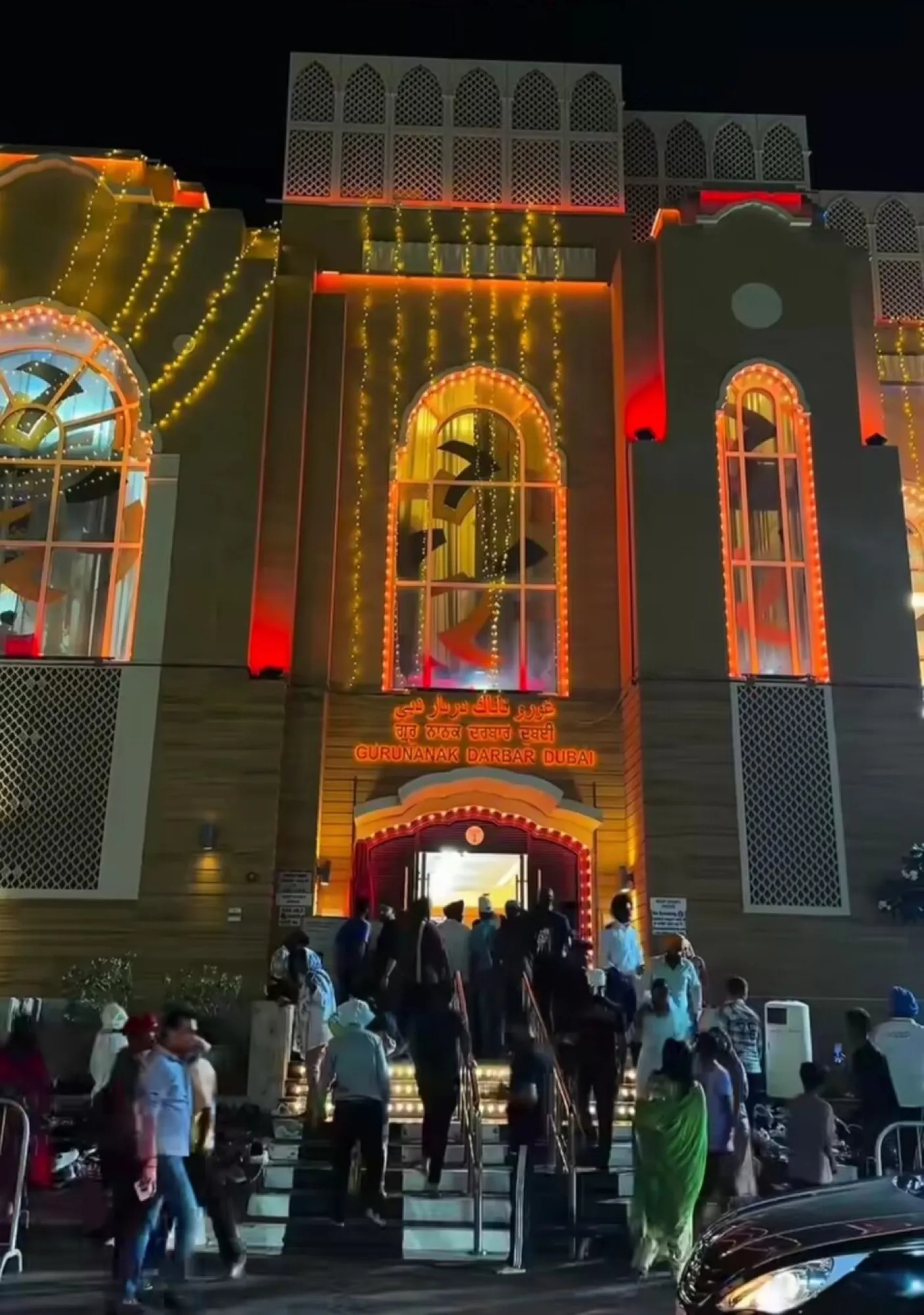
Guru Nanak Darbar Gurudwara in Dubai lit up at nightNikhilesh bhardwaj / Wikimedia Commons, CC0 1.0