By Mohammed Rashad Hussain, Managing PartnerPublished 6 min read
A launch or a private viewing lasts a few hours. The transport plan lives for weeks. Guests judge the brand by the first minute at the door and the last minute at the car, so both need a plan. This guide shows how to build one in Dubai, from the guest list to the last car home.
How do you turn a guest list into a car plan?
Start with the list, then sort it into groups. Each group needs a different kind of car and a different time.
| Group | Typical need | Car plan |
|---|---|---|
| VIP and press principals | Door-to-door, private | One car and a named driver |
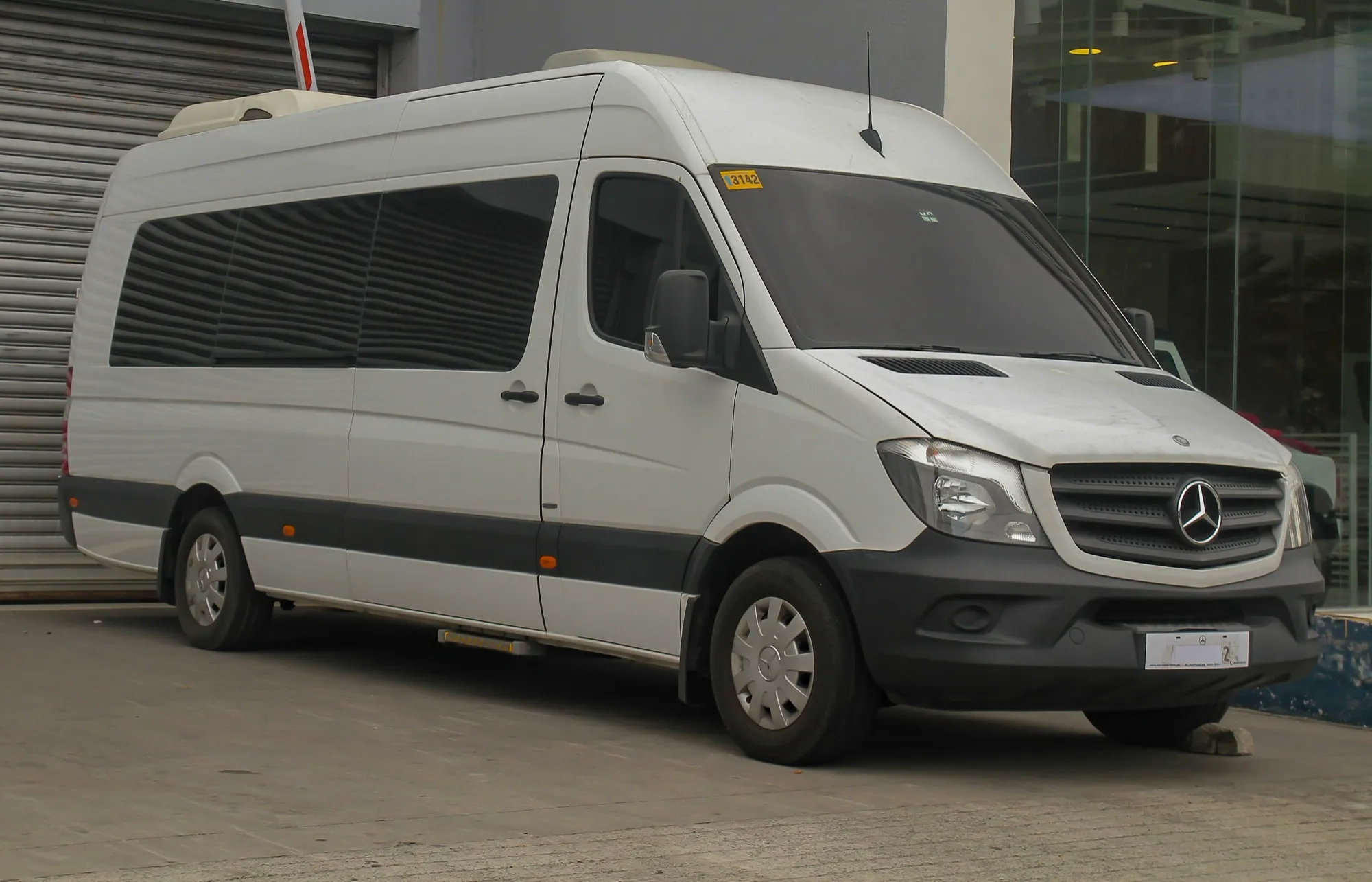
| Hotel guests | Pickup from one or two hotels | Shared 6-seat vehicles or a minibus |
| Guests arriving by air | Airport meet and greet | Cars timed to landing |
| Local guests | Arrive and leave alone | Own cars, valet at the venue |
| Staff and brand team | Early arrival, late exit | Separate van or minibus |
Ask for a count in each group, not only a total. A list of 120 names might need 25 cars, or 60, depending on how many guests drive. Confirm replies a few days ahead, then freeze the plan 24 hours before.
For a company that runs these events regularly, our page on luxury retail and concierge transport explains how an account works.
How do arrival waves work?
An arrival wave is a time window with a cap on cars. Instead of 80 cars reaching the door at 19:00, you set three windows, such as 18:15, 18:35 and 18:55. Each wave gets its own staging point and its own greeter.
The steps for each wave:
- Cars gather at a staging point away from the door.
- A coordinator releases a few cars at a time to the drop-off.
- Guests step out, the driver pulls away, and the next car moves up.
- Cars clear to a holding area for the pickup later.
Keep each wave short. If the programme starts at 19:30, the last wave should arrive 15 to 20 minutes before. VIPs arrive just after the main wave settles, so their entrance is calm.
Where do valet and drop-off points go?
Ask the venue, not the car company. A venue controls its own kerb, car park and security. Layouts differ by venue.
- DIFC. The DIFC brochure says its event spaces have ample parking and valet service, and its plans mark drop-off areas, valet parking and car park access around the Gate District, Gate Village and Gate Avenue.
- Dubai Design District. The district lists indoor and outdoor venues, and hosts Dubai Fashion Week, Dubai Design Week and Sole DXB. Ask the d3 events team about the car entrance for your venue.
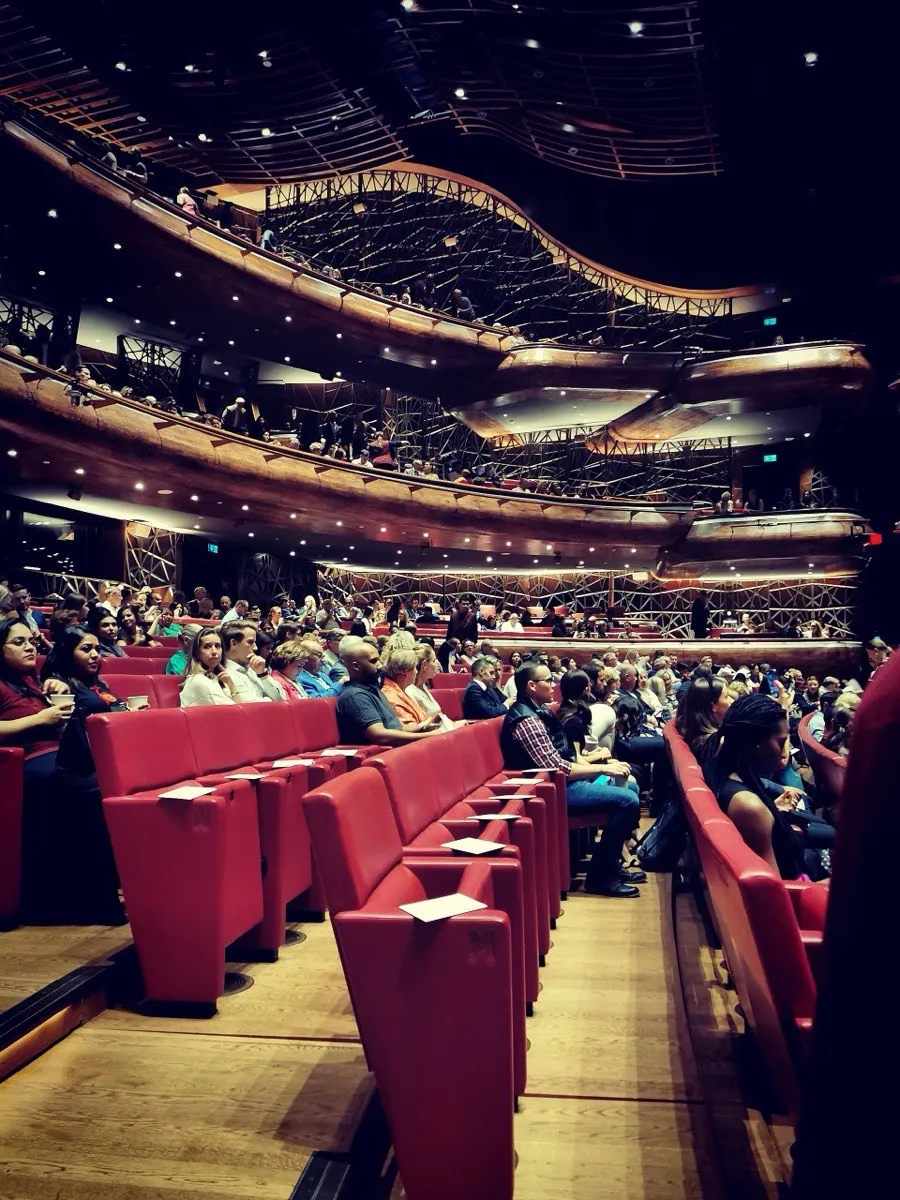
- Opera, hotel and mall venues. Each has its own rules. See Dubai Opera parking and drop-off for an example, and the Dubai parking guide for general principles.
Send a one-page site plan to the transport coordinator and to every driver. It should mark the drop-off, the staging point, the exit route and the contact for the venue’s security lead. Read DIFC drop-off points if your venue is there.
How far are guests travelling?
Distance sets the time you give guests to leave the hotel. These are OSRM free-flow routes, rounded.
| Route | Distance | Time without traffic |
|---|---|---|
| Dubai International (Terminal 1) to Dubai Design District | about 12 km | about 14 minutes |
| Dubai International (Terminal 1) to Gate Avenue, DIFC | about 12 km | about 13 minutes |
| Dubai Mall to Gate Avenue, DIFC | about 2.7 km | about 6 minutes |
| Dubai Mall to Dubai Design District | about 4.4 km | about 8 minutes |
| Al Maktoum International (DWC) to Dubai Mall | about 51 km | about 53 minutes |
Evening traffic and event closures add time. The rush hour guide and the event road closures guide help you set pickup times. For guests arriving that day, add the airport steps from our guides on Terminal 3 or Terminal 1.

What do name boards and car signs do?
A name board identifies the guest at a hotel or airport. It shows the guest’s name or a short code, in clear type, not a logo that hides the name. For privacy, some brands use a first name and a number.
At the venue, the car needs a different cue. Options are a printed card on the dashboard, a sticker with the wave colour, or a driver’s lanyard. Agree the format in advance. Tell us before you print branded materials for vehicles, and we confirm what is practical for your plan.
How do you plan for VIP guests?
VIPs get their own list, one named driver per principal and a separate arrival slot. The security lead and the venue manager should know the plan. Share it on a need-to-know basis.
Items for a VIP file:
- Name, car, driver and a mobile number for the driver.
- Pickup address and time, with a backup route.
- The entrance to use, and who meets the guest.
- The return plan, including a late-night option.
For a delegation-style movement with a convoy order, see our delegation transport guide. A private viewing for a few clients is simpler: usually one car each and a single contact for all drivers.
How do you plan the end of the event?
Returns cause more problems than arrivals, because guests leave when they choose. Three habits help:
- Collect return details at registration: the address and the likely time.
- Ask guests to call or message the driver 10 minutes before leaving.
- Keep a second staging point, in case the first is blocked.
Departures are staggered by nature if the programme ends with a signature moment, such as a private viewing slot. Plan extra cars for the final 30 minutes, when the largest group leaves. Our event-day chauffeur checklist lists the checks, and how many vehicles for a group event shows the sizing.
What goes wrong most often?
Most failures are small and repeat from event to event:
- The guest list changes on the day, and the car plan was not updated.
- Two people give a driver different instructions.
- Cars arrive together because no one set the waves.
- The staging point is full, and drivers circle the block.
- A guest cannot find the car because the sign is unclear.
The fix is one named transport coordinator, with one list and one chat group for the drivers. Changes go through the coordinator, not through the guests or the brand team. Give the coordinator a printed copy of the plan and a phone with a charger, because the day is long.
What should the brand brief include?
Send the transport team a short pack, 7 to 10 days before the event:
- Date, venue, programme times and the guest list by group.
- The site plan with drop-off, valet and staging.
- The contact for the venue and for the brand’s event lead.
- The arrival waves, the VIP list and the return plan.
- Dress code or branding rules for drivers, if any.
Assure supplies cars, vans and minibuses with drivers for the plan. Partner vehicles are available through our partner network, subject to availability. Send the pack on WhatsApp and we confirm the vehicles. For the wider fleet, see our chauffeur service page, the corporate events options and the main corporate chauffeur page. If your guests also want a shopping day, our guide to personal shopping with a chauffeur covers it.
Photos in this guide
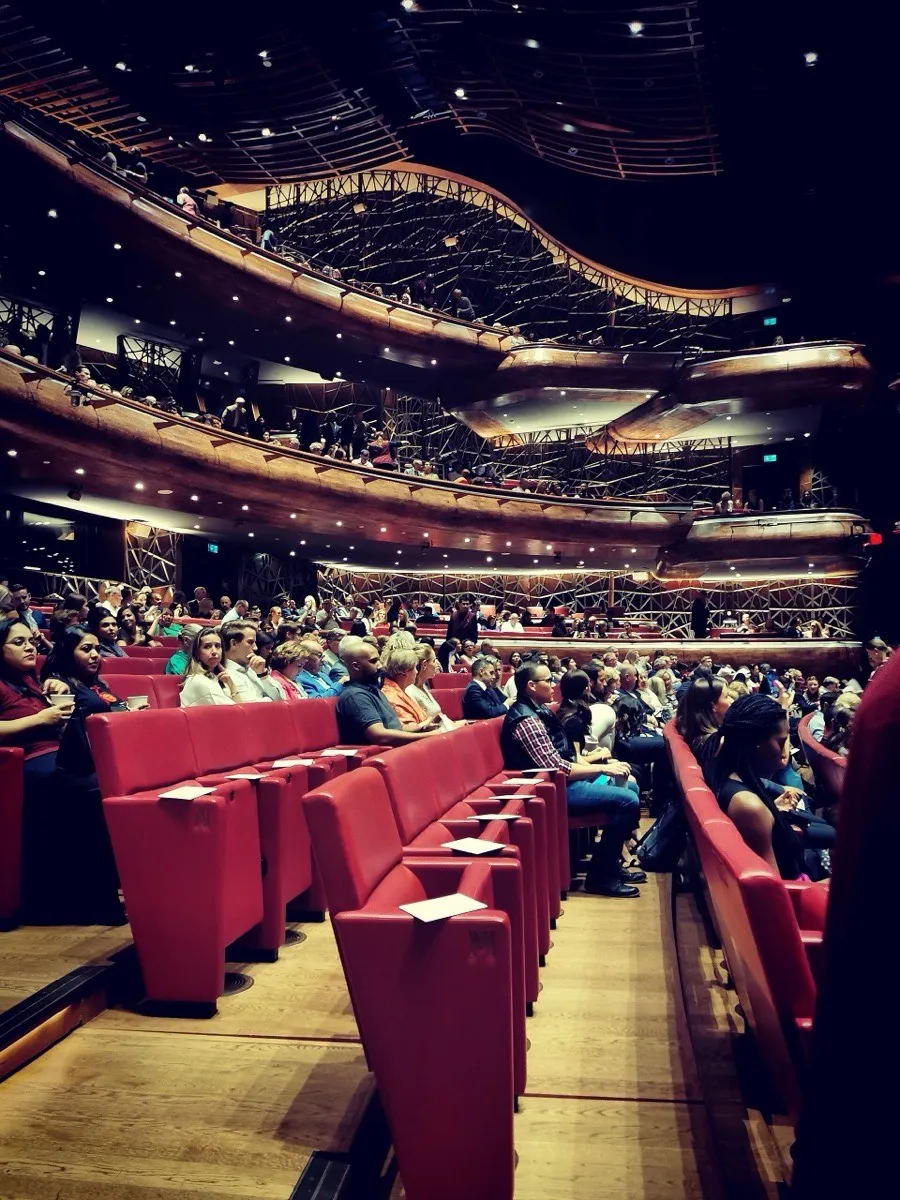
The interior of Dubai Opera, a venue for launches and private eventsheyexplorer.com / Wikimedia Commons, CC BY 2.0

Dubai Design District with the Burj Khalifa visible in the distanceLeakingh / Wikimedia Commons, CC BY-SA 4.0

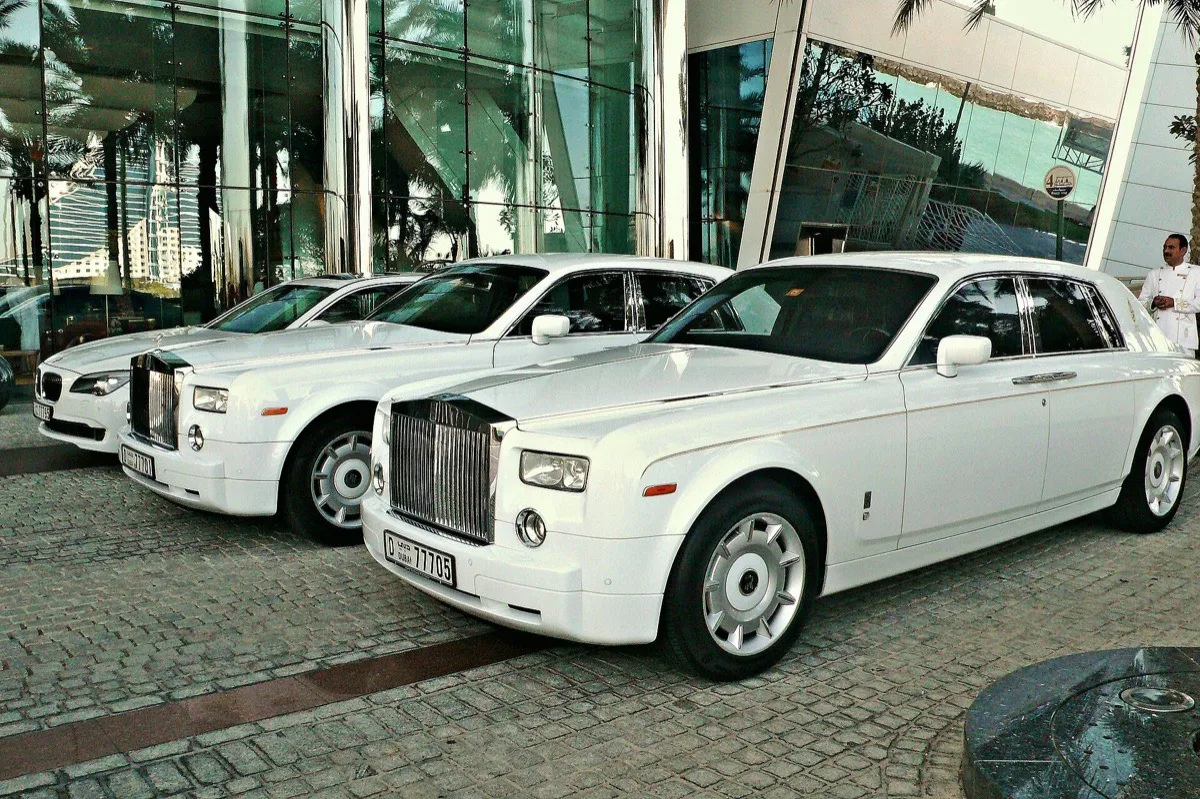
A Rolls-Royce Phantom Series I in DubaiAlberto-g-rovi / Wikimedia Commons, CC BY-SA 3.0