By Mohammed Rashad Hussain, Managing PartnerPublished 6 min read
A shoot day in Dubai is a timetable that cars have to keep. The crew arrives before the light, the kit moves once, and the wrap often runs past the time on the sheet. This guide covers how to plan vans, call times and location days, and where the permit office fits in.
What does a film shoot need from ground transport?
A shoot needs three things from the road. Crew must reach the unit base on time. Kit must reach the location before the first set-up. And the way home cannot depend on when the last shot finishes. Everything else follows from those.
The moving parts are:
- Crew runs: pickups from hotels or homes to the unit base or the set.
- Talent runs: a separate car, so the cast is not waiting for the van to fill.
- Kit runs: a van or the production’s truck, loaded once and unloaded at the location.
- Shuttles on the day: between set, parking, catering and the nearest toilets or hotel.
- Wrap runs: the return, which has to flex because wrap times move.
Do not plan these as one vehicle. A crew van that also carries kit is full on the way out and late on the way back.
Who applies for the permit, and what does it involve?
The production applies for the permit, not the transport company. The Dubai Film and TV Commission runs the system, and its portal at filmdubai.gov.ae is login-only, so the steps below follow a Khaleej Times guide published on 9 October 2024.
- Work through a UAE-based production house. The guide says anyone filming in Dubai has to.
- Submit the full script for approval. It must list scene dates and locations. The guide says approval can take up to 25 business days.
- Once the script is approved, apply for the filming permit. One application can cover several days and locations.
- Pay any location fees. They depend on the location and the type of production.
The same guide says permit length depends on the production type, and that aerial filming and blocking roads without permission carry fines. Wedding, event and personal-use videos do not need a permit.
We could not confirm current fees or turnaround, so check the commission’s own pages. For transport, the useful output is the permit holder’s name and the exact approved addresses. Ask for both before you book cars.
How do you plan the call time and the unit base?
Work back from the first shot. Take the time the first camera rolls, subtract set-up, subtract the drive from the unit base, and subtract loading. That gives the van’s departure time.
Here is a worked example for a 06:00 first shot at a Dubai Media City location.
| Step | Time |
|---|---|
| First shot | 06:00 |
| Set-up and lighting check | 05:15 |
| Crew van leaves the unit base | 04:45 |
| Van loaded and driver at the unit base | 04:15 |
| Driver leaves for the first pickup | 03:30 |
This is a planning pattern, not a rule. Add 10 minutes for each extra pickup, and more for a long loading list. Talent often leaves later than crew, in a separate car, so give them their own line on the sheet.
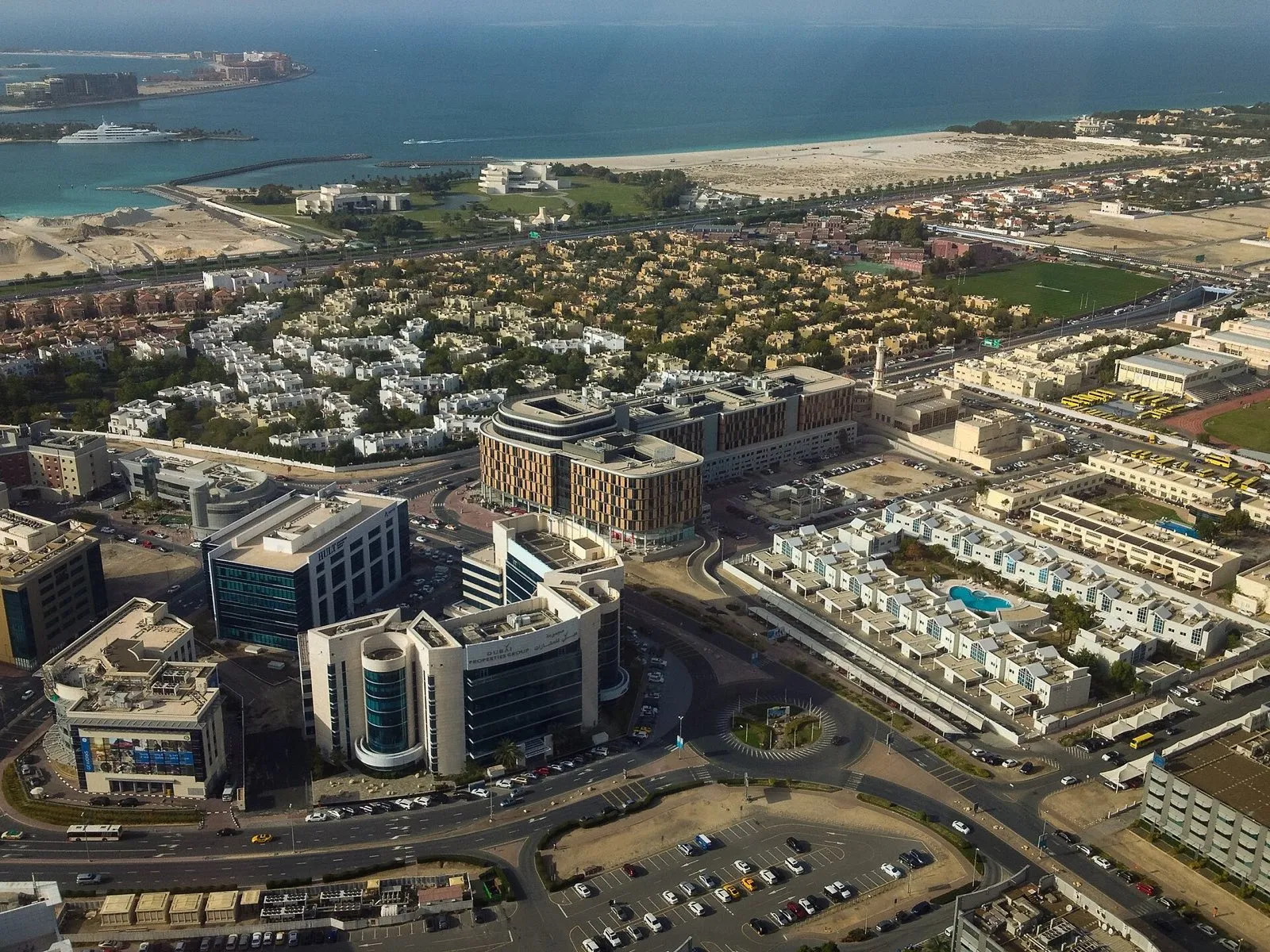
A unit base is a fixed place where crew meet, park and load. Pick one with space for vans to turn. Put its map pin on the call sheet and use it for every call time, so a driver is never guessing between a hotel lobby and a car park. Dubai Media City, shown below, is a common base for productions that work in the west of the city.
How far are the usual locations from Dubai?
Distances come from OSRM road data, timed for an empty road on 25 October 2026. A loaded van, a convoy and morning traffic all add to them.
| Route | Road distance | Without traffic |
|---|---|---|
| Dubai International Airport (DXB) to Downtown Dubai | about 17 km | about 19 minutes |
| DXB to Hatta town | about 107 km | about 85 minutes |
| Downtown Dubai to Hatta town | about 110 km | about 86 minutes |
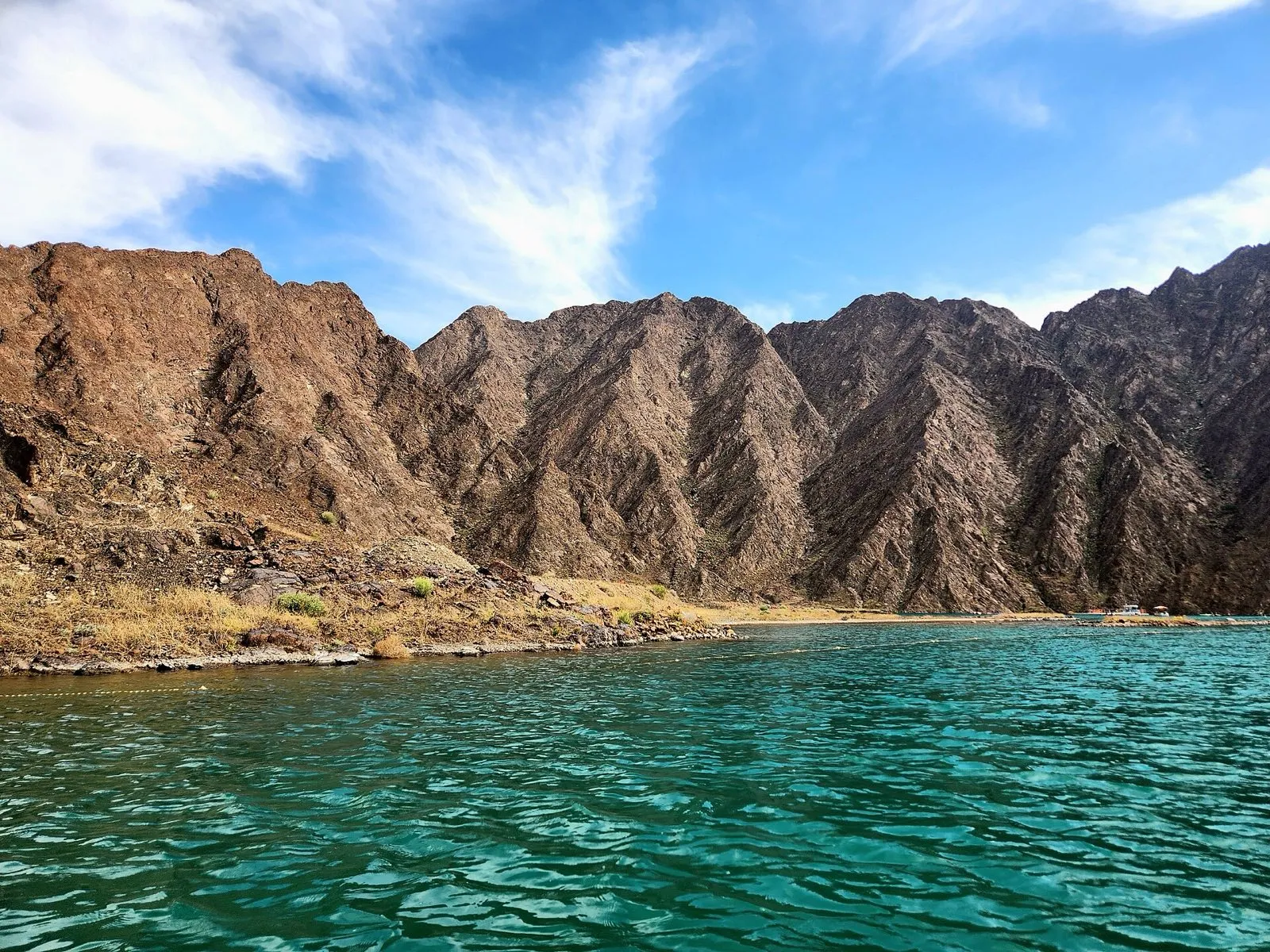
Hatta sits in the Hajar mountains, east of the city. Our guide to Hatta and Jebel Jais day trips by car covers the road, and the note on the Hatta road and passport rules explains what to carry on the route.
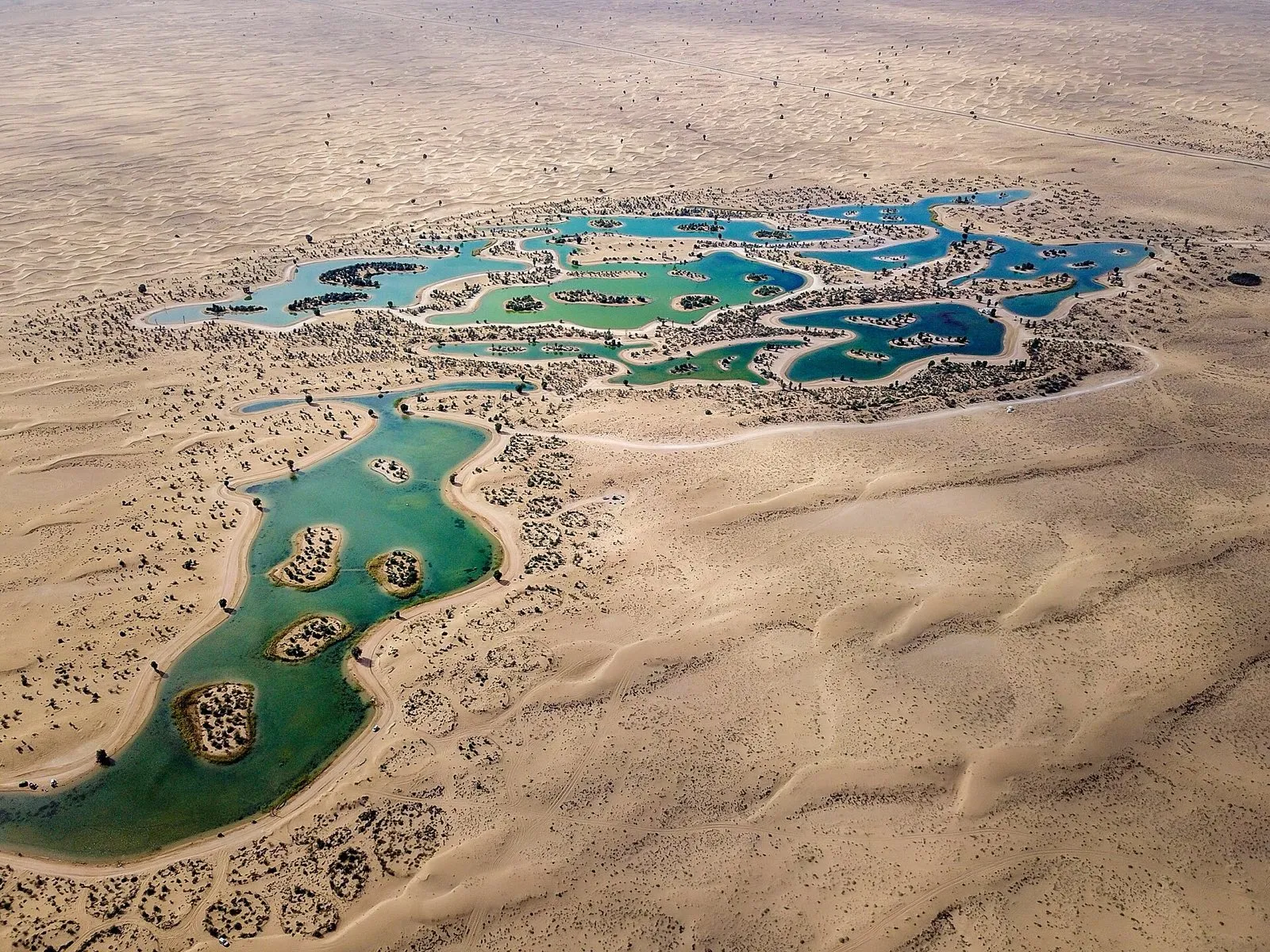
For desert work such as the Al Qudra lakes, set the drive time with the driver on a test run, because tracks and gates change. The Al Qudra Lakes are man-made pools in the sand south of the city, and the last stretch may be a track. We have not verified access rules for individual desert sites, so ask the site owner and the permit holder.
Which vehicles suit crew, talent and kit?
Match the vehicle to the job, not to the headcount alone. These seat and bag figures come from Assure’s fleet data.
| Job | Vehicle | Seats | Large bags |
|---|---|---|---|
| Lead talent or director | Mercedes-Benz S-Class | 3 | 2 |
| Small crew or HOD team | Mercedes-Benz V-Class | 6 | 4 |
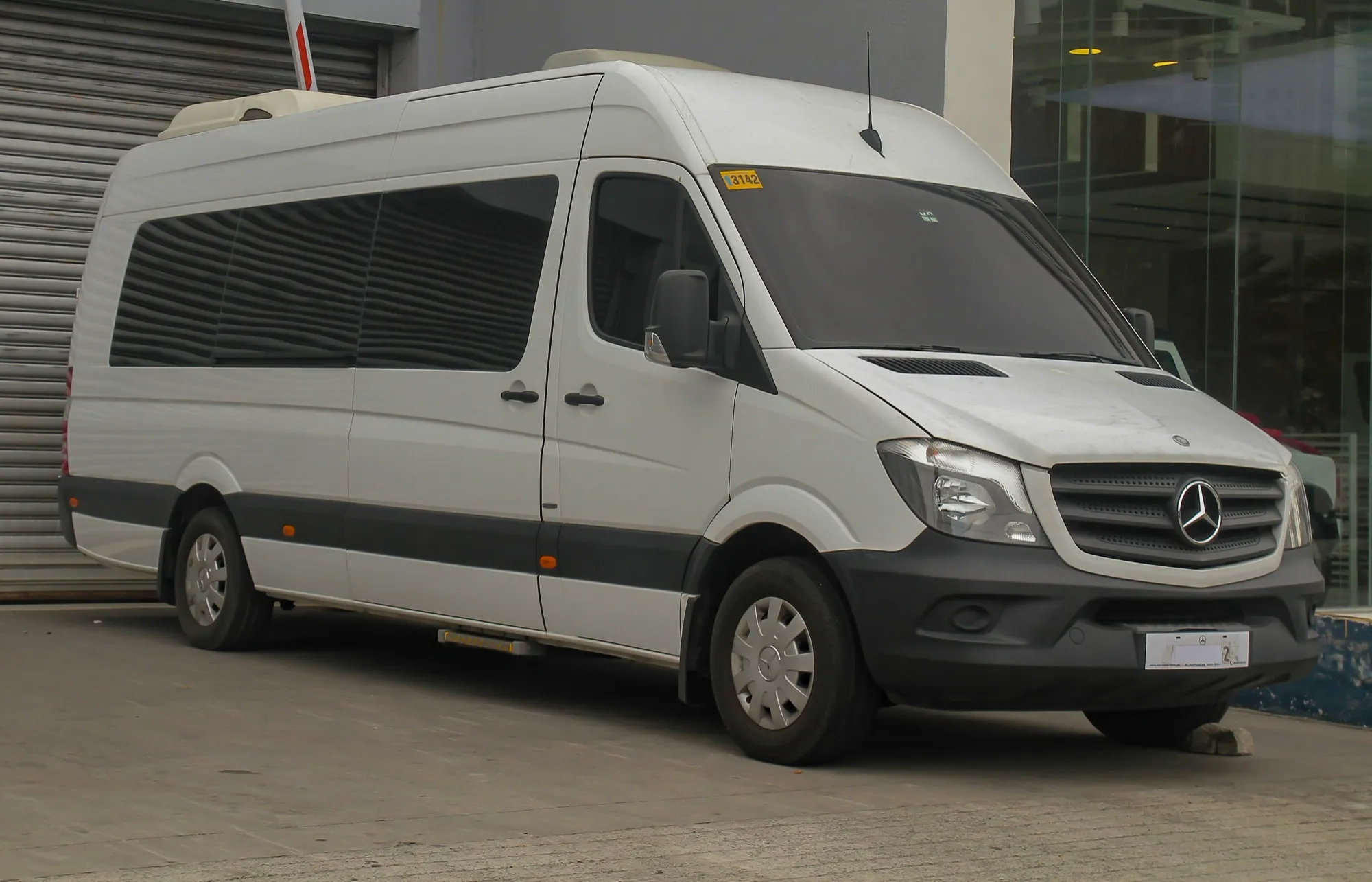
| Crew with light kit | Mercedes-Benz Sprinter, 13 seats | 13 | 6 |
| Larger crew | Mercedes-Benz Sprinter, 19 seats | 19 | 3 |
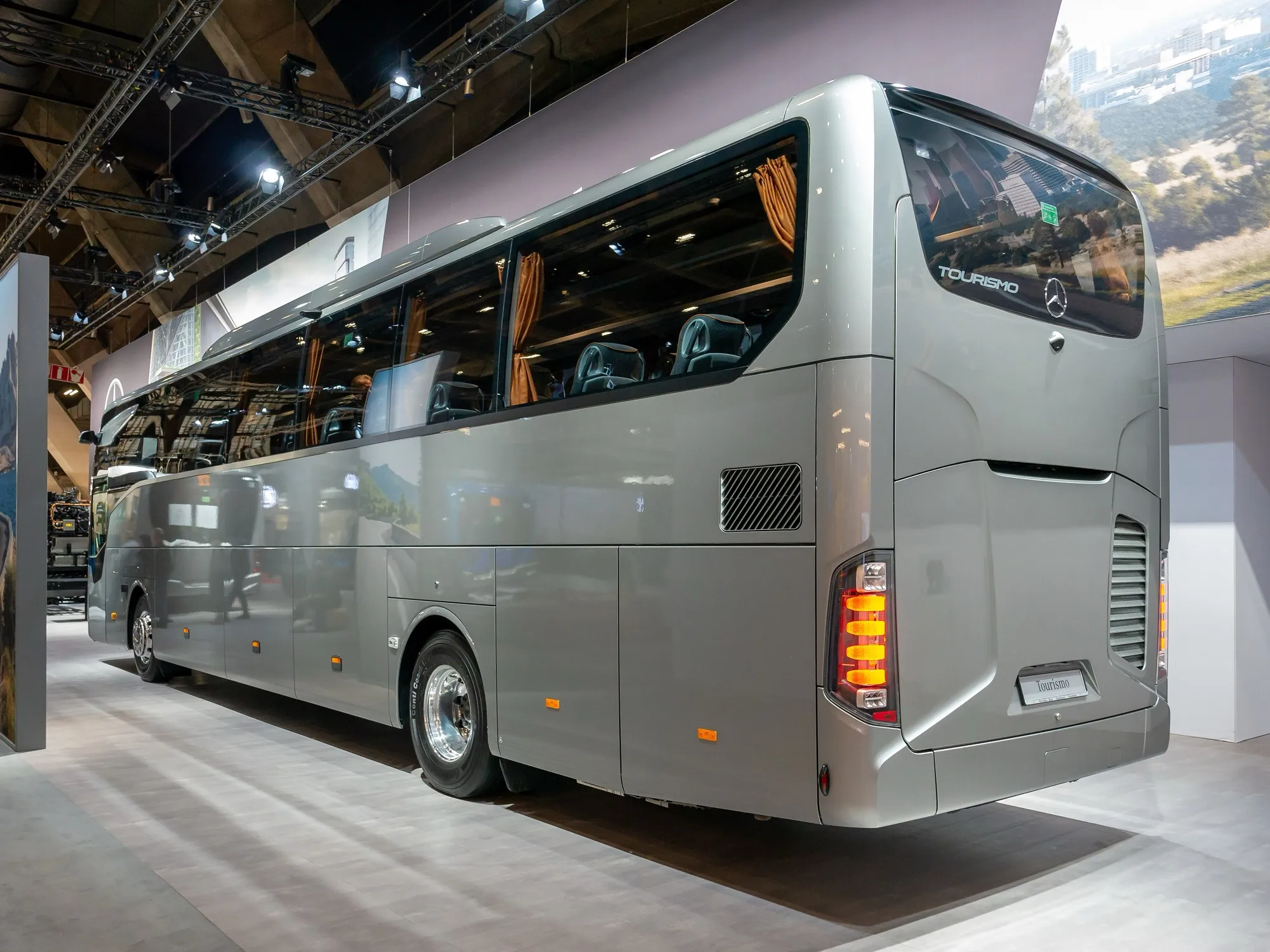
| Big crew or extras | 35 or 50-seat coach | 35 or 50 | 15 or 35 |
Coaches come through our partner network, subject to availability. Our Sprinter and V-Class comparison sets out the trade-off between the two, and the minibus with driver page lists the larger options. For extras and large groups, what size bus you need works from headcount and luggage.
Keep heavy kit on the production’s own trucks. A Sprinter is a crew vehicle first, and a rack of lights in the back leaves no room for people.
How do you handle waiting, wraps and late changes?
Treat waiting time as part of the plan. A driver with a car on a full-day booking can run to the unit base, collect forgotten items or move a crew member who has to leave. A full-day chauffeur works well for the lead talent, because the car stays with them between set-ups.
For the wrap, ask three questions in the morning:
- What is the latest wrap time the producer will accept?
- Who authorises a driver to leave, and who to stay?
- Where do cars wait, and which gate do they use?
Write the answers on the call sheet. Salik gates and rush-hour traffic matter on the return, so see the notes on Salik tolls in Dubai and Dubai rush hour when you set a wrap-time car.
What should the call sheet tell the transport desk?
Send the call sheet as soon as it exists, and send each revision. The desk needs:
- Call times and the pickup point for every crew group.
- The address and map pin for the unit base and each location.
- Crew numbers per vehicle, plus the case count and weights for kit.
- The permit holder’s name and phone number.
- Wrap time, with the latest the producer will accept.
- Any special item: props that look like weapons, drones, animals or large cases.
Production teams that book transport for several shoots a year can set this up once as a contract. Our production and talent transport page explains how Assure handles film, concert and sports work, and the corporate service page explains accounts. For artists and crew on show days, read the guide to concert and artist transport.
Photos in this guide
Brown Hajar mountains rising above the turquoise water of Hatta Dam, Dubai EmirateOuremiratesjourney / Wikimedia Commons, CC BY-SA 4.0
Aerial view of Dubai Media City office blocks with Jumeirah Beach and the Palm Jumeirah behindFrancisco Anzola / Wikimedia Commons, CC BY 2.0

Aerial view of the man-made Al Qudra Lakes, green and blue pools set in pale desert sandCharbel Zakhour / Wikimedia Commons, CC BY-SA 4.0